
Rajasthan · Eastern Rajasthan
Jaipur
Rajasthan's capital: hill forts, a walled bazaar city and the easiest first stop from Delhi
- Best time
- October to March
- Ideal stay
- 2 to 3 nights
- Nearest airport
- Jaipur International (JAI), Sanganer, about 13 km from the old city
- Railway
- Jaipur Junction, on the Delhi–Ahmedabad main line
- From Delhi
- About 270 km. 5 to 6 hours by road, roughly 4.5 hours on a fast train
- Known for
- Amber Fort, the walled old city, block printing, gems and jewellery
Jaipur at a glance
Jaipur was laid out on a grid in 1727 by Sawai Jai Singh II, which is why the old city feels more orderly than most in India. The pink colour came later, when the walls were painted in 1876 for a royal visit, and it has been repainted ever since. Today the old city, the Jantar Mantar observatory and the hill forts around it are all UNESCO-listed.
It works well as a first stop because almost everything is compact. The old city, City Palace and Hawa Mahal sit within a short auto ride of each other, and the big forts (Amber, Jaigarh, Nahargarh) are 10 to 15 km out. Two full days covers the headline sights without rushing; a third day is best spent on a block-printing village or a longer side trip.
Expect crowds at Amber and Hawa Mahal in winter, heat that makes afternoon sightseeing unpleasant from April to June, and a steady stream of people trying to steer you to a particular shop. None of that spoils the city, but it is worth planning around.
Best time to visit Jaipur
October to March is the comfortable window. December and January are the busiest and most expensive months; late October, November and February give you the same weather with fewer people.
| Months | Weather | What it means for a trip |
|---|---|---|
| Oct – Nov | Warm days around 28 to 33°C, cooler evenings | Good for all-day sightseeing. Hotel rates and crowds rise around Diwali. |
| Dec – Feb | Days 20 to 25°C, nights can fall to 5 to 8°C, some foggy mornings | Peak season. Book stays early, especially around the Jaipur Literature Festival in January and the kite days of Makar Sankranti (14 January). |
| March | Warming up, 30°C and above by the end of the month | Still fine for sightseeing. Gangaur, a spring festival with processions, falls in March or April. |
| Apr – Jun | 38 to 45°C | Forts are hard going after mid-morning. If you must come, sightsee from 8 to 11 am and rest until evening. |
| Jul – Sep | Humid, 26 to 34°C, with monsoon showers | Hills turn green, prices drop and crowds thin out. Teej in July or August is the big local festival. |
How to reach Jaipur
- By air
- Jaipur International Airport (JAI) is at Sanganer, around 13 km south of the old city, and has regular flights from Delhi, Mumbai, Bengaluru, Hyderabad, Kolkata and other metros, plus a few Gulf and Southeast Asian routes. A prepaid taxi or app cab to the old city takes 25 to 40 minutes depending on traffic.
- By train
- Jaipur Junction is the main station and sits on the Delhi–Ajmer–Ahmedabad line. Fast day trains from Delhi take about 4.5 to 5 hours, and there are frequent services from Agra, Jodhpur, Ajmer, Ahmedabad and Mumbai. Durgapura and Gandhinagar are smaller stations that some trains use.
- By road
- Delhi is about 270 km away on the expressway (allow 5 to 6 hours including the exit from Delhi), Agra about 240 km, Udaipur about 400 km, Jodhpur about 335 km and Pushkar around 145 km. Many visitors arrive with a private car and driver as part of a Rajasthan circuit.
Things to do in Jaipur
1.Amber Fort
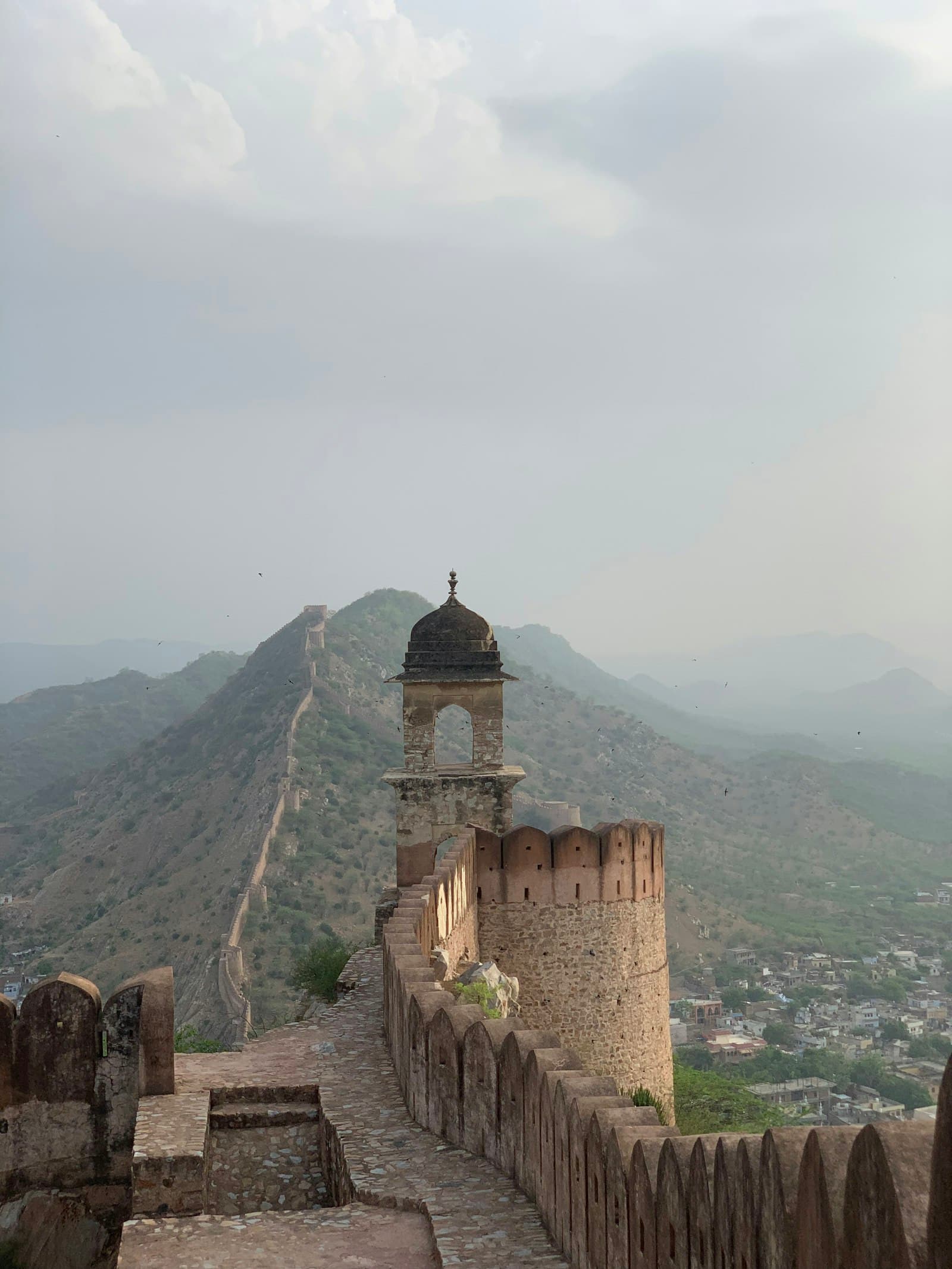
A hilltop fort-palace about 11 km north of the city, built in red sandstone and marble with a hall of mirrors (Sheesh Mahal) and courtyards you can walk through at your own pace. The ascent has historically been by elephant, which many visitors now skip on welfare grounds; jeeps and walking are the alternatives.
Time needed: 2.5 to 3 hours·Tip: Arrive when it opens at 8 am. By 11 the courtyards are full of tour groups.
2.Jaigarh and Nahargarh forts
Jaigarh, above Amber, holds the Jaivana cannon, one of the largest wheeled cannons ever cast. Nahargarh looks down over the whole city and is the standard place to watch sunset, with a restaurant on the ramparts.
Time needed: About 1.5 hours each·Tip: Combine Nahargarh with a late-afternoon start and stay for sunset.
3.City Palace
Part of it is still the royal family's residence. The museum wings show textiles, armour and manuscripts, and the Pritam Niwas Chowk has four painted gateways, one for each season.
Time needed: About 2 hours·Tip: It is a private trust, so it is not covered by the government composite ticket.
4.Jantar Mantar
Sawai Jai Singh II's outdoor observatory, completed in 1734, with masonry instruments that read time and star positions. The Samrat Yantra sundial is about 27 metres tall and accurate to a couple of seconds. It makes far more sense with a guide.
Time needed: 45 to 60 minutes
5.Hawa Mahal
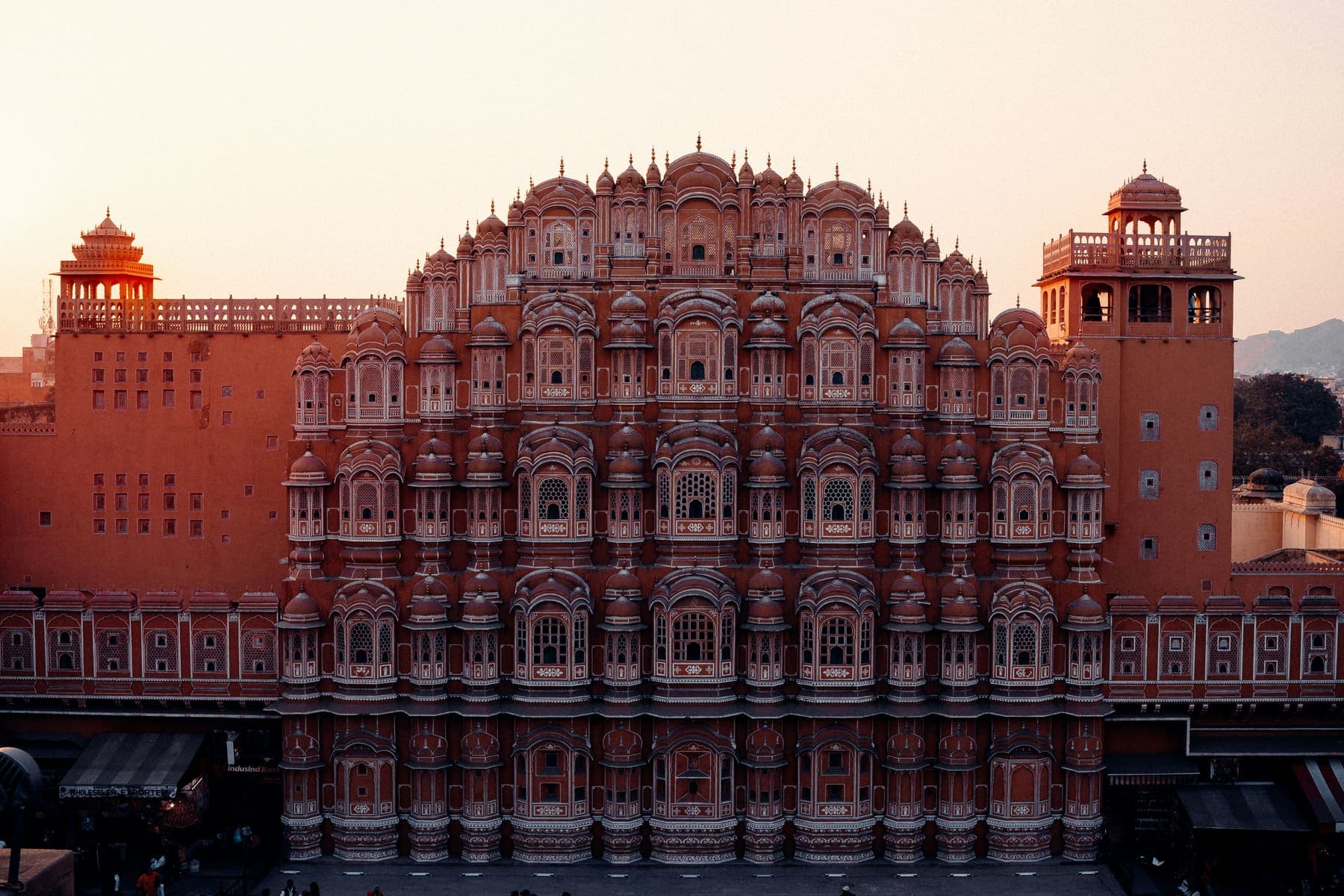
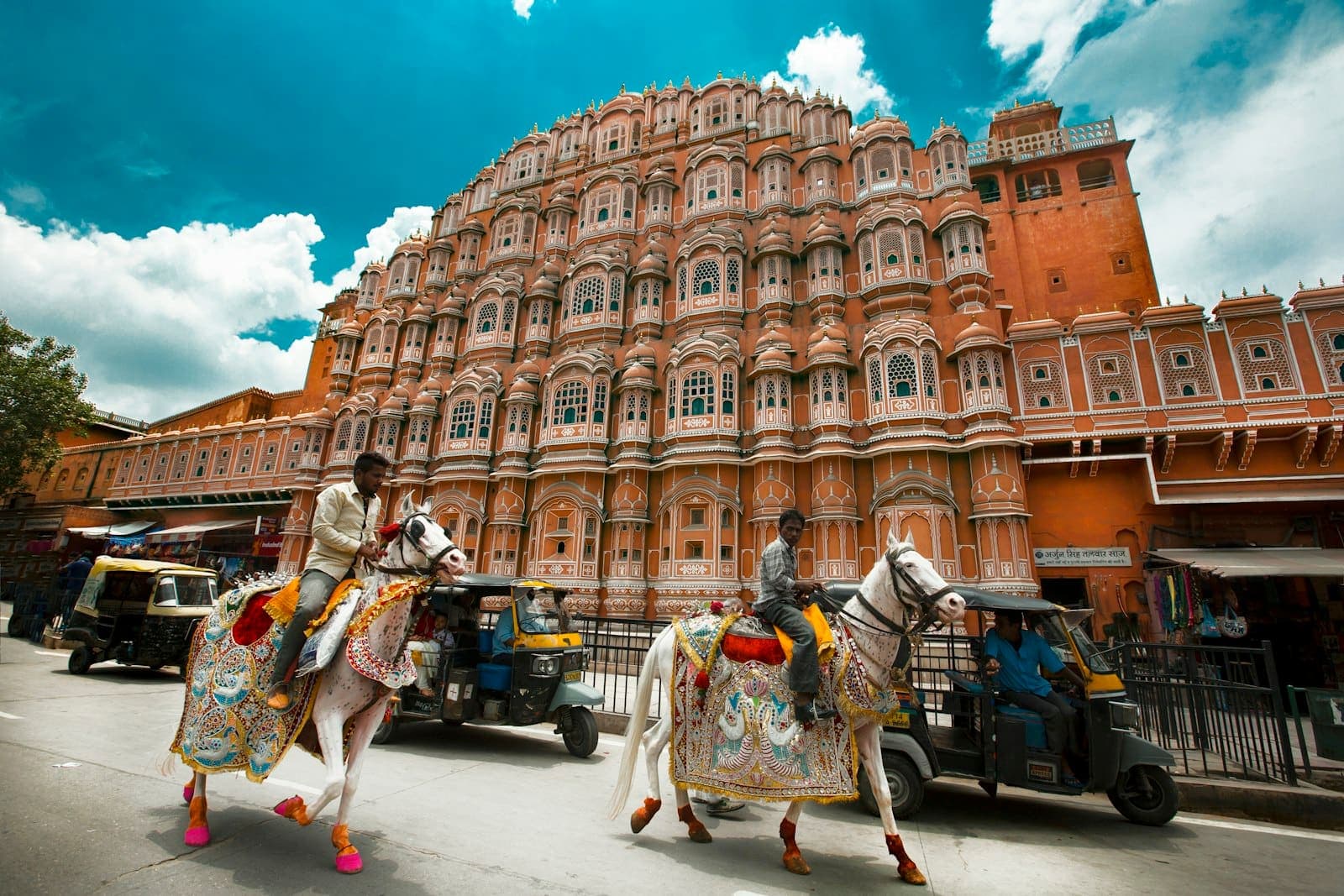
The five-storey honeycomb facade with 953 small windows, built in 1799 so that women of the royal household could watch street life unseen. The front is what people come for; the inside is small and can be finished in 20 to 30 minutes.
Time needed: 30 minutes plus photo time·Tip: The facade faces east and is best photographed in morning light, from the rooftop cafés across the road.
6.The old-city bazaars
Johari Bazaar for jewellery and gems, Bapu Bazaar for textiles and leather mojari shoes, Tripolia Bazaar for brass, lac bangles and utensils. Walk them rather than ride through, and go in the late afternoon when the heat drops.
Time needed: 2 hours·Tip: Many shops here close on Sundays.
7.Panna Meena ka Kund and the Anokhi Museum
Near Amber, the Panna Meena stepwell has a pattern of symmetrical staircases that photographs well. Close by, the Anokhi Museum of Hand Printing in a restored haveli explains how block printing works and often has a demonstration.
Time needed: 1 to 1.5 hours
8.Jal Mahal and Albert Hall
Jal Mahal sits in the middle of Man Sagar lake and can only be viewed from the roadside promenade. The Albert Hall Museum, an Indo-Saracenic building, is at its best lit up in the evening from outside.
Time needed: 20 minutes each
9.Galta Ji
A temple complex in a gap in the hills east of the city, with water tanks, pavilions and a large troop of monkeys. It is a working pilgrimage site, so cover shoulders and knees and expect to remove shoes.
Time needed: 1 hour
10.Block printing in Sanganer or Bagru
Two villages outside the city where cotton is still hand-printed. Many workshops let you try stamping a cloth yourself. Sanganer does fine floral prints; Bagru does the earthy indigo and mud-resist dabu style.
Time needed: Half a day with travel
Sample itineraries for Jaipur
One day (the essentials)
- 8 am: Amber Fort, with a short stop at the Panna Meena stepwell.
- 12:30 pm: Lunch, then a look at Jal Mahal from the road.
- 2 pm: City Palace and Jantar Mantar.
- 4:30 pm: Hawa Mahal from the outside, then a walk through Johari and Bapu bazaars before they close.
Two days (the usual plan)
- Day 1 morning: Amber Fort, then Jaigarh if you have the energy.
- Day 1 afternoon: City Palace, Jantar Mantar, Hawa Mahal.
- Day 1 evening: Bazaar walk and dinner in the old city.
- Day 2 morning: Anokhi Museum or a block-printing workshop at Sanganer.
- Day 2 afternoon: Albert Hall, Galta Ji, and sunset at Nahargarh.
Three days (slower, with a side trip)
- Days 1 and 2 as above, without rushing the forts.
- Day 3: Abhaneri stepwell and Bagru printing village, or a drive to Samode for a palace lunch, returning by late afternoon.
Where to stay in Jaipur
- Old city (Pink City)
- Heritage guesthouses and small havelis a short walk from City Palace and the bazaars. Atmospheric and central, but noisy in the day and cars can't always get to the door.
- C-Scheme and MI Road
- The modern centre, with business hotels, cafés and restaurants. Easiest for cabs and getting in and out, and a 10 to 15 minute ride from the old city.
- Bani Park and Civil Lines
- Quieter residential areas near the railway station with family-run heritage homes and mid-range hotels. A good base for a longer stay.
- Palace and resort belt (Bhawani Singh Road, Amer Road)
- Rambagh Palace and other former royal residences, plus large resorts. You pay for space and grounds, and you are further from the bazaars.
What to eat and buy in Jaipur
- Dal baati churma
- Baked wheat balls dunked in ghee, served with spiced lentils and a sweet crumbled churma. Heavy, so have it at lunch.
- Laal maas
- A mutton curry made with Mathania red chillies. Genuinely hot; ask for less spice if you're not used to it.
- Pyaaz kachori and street food
- Rawat Mishthan Bhandar on Station Road is the long-running place for onion kachori. Masala Chowk near Ram Niwas Garden is a tidy food court if you want to sample several things at once.
- Sweets: ghewar and mishri mawa
- Ghewar is a honeycomb-textured disc soaked in syrup, made mainly around Teej and Gangaur. Laxmi Mishthan Bhandar (LMB) on Johari Bazaar is the well-known sweet shop.
- Jewellery and gemstones
- Johari Bazaar is the trade centre. Buy only from established shops, get a written receipt and treat any 'one-day only' export offer from a driver as a red flag.
- Textiles, mojari and blue pottery
- Bapu Bazaar for block-printed fabric and embroidered leather shoes. Jaipur's blue pottery is glazed with a quartz base and sold across the city; check the piece for chips before paying.
Day trips and stops near Jaipur
| Place | Distance | Why go |
|---|---|---|
| Sanganer | 16 km | Hand block printing and handmade paper workshops. |
| Bagru | 35 km | Dabu (mud-resist) printing in indigo and earth colours. |
| Samode | 40 km | A palace town, popular for a heritage lunch or an overnight stay. |
| Abhaneri (Chand Baori) | About 95 km | A deep stepwell with 3,500 steps, best combined with the Agra road. |
| Pushkar and Ajmer | About 145 km | A sacred lake town and one of India's major dargahs. Works as a day trip or a stop on the way west. |
| Ranthambore | About 180 km | Tiger reserve. Needs an overnight stay to make safaris worthwhile. |
What Jaipur costs
| Budget hotel (per room, per night) | About ₹1,200 to ₹2,500 |
|---|---|
| Mid-range hotel or heritage haveli | About ₹3,500 to ₹7,500 |
| Palace or luxury hotel | ₹12,000 and up, more in winter |
| Private cab for a full day of local sightseeing | About ₹2,000 to ₹3,000 for a sedan; more for an SUV |
| Auto-rickshaw for a day (negotiated) | About ₹1,000 to ₹1,500 |
| Composite ticket (two days) | Around ₹400 to ₹450 for Indian adults; about ₹1,000 or more for foreign visitors |
| City Palace (not in the composite ticket) | Around ₹300 to ₹400 for Indian adults |
| A sit-down meal | About ₹400 to ₹900 per person; street food from ₹100 |
Fees, timings and prices last checked in September 2026. They change from season to season, so treat them as a guide and confirm at the ticket counter or with us when we plan your trip.
Practical tips
- Buy the composite ticket only if you'll visit at least three or four of the covered sites (Amber, Hawa Mahal, Jantar Mantar, Nahargarh, Albert Hall) in two days. For a one-day visit, single tickets are cheaper.
- Drivers and rickshaw operators often earn a commission for bringing you to gem, carpet and textile shops. Say clearly at the start that you don't want shopping stops.
- Dress for walking. Amber and Nahargarh involve ramps and steps, and the stone is hot underfoot in summer.
- Elephant rides at Amber operate under daily limits, and many travellers prefer to walk or take a jeep.
- Book hotels early for the second half of January, when the literature festival fills the city.
- Carry small notes. Auto and tea-stall fares are hard to settle with 500-rupee notes.
Jaipur travel FAQs
How many days do you need in Jaipur?
Two full days covers Amber Fort, the City Palace, Jantar Mantar, Hawa Mahal and a bazaar walk without rushing. One day is possible if you skip the second fort and the museums. Add a third day if you want a block-printing village or a side trip.
What is the best month to visit Jaipur?
November and February are the sweet spot: pleasant weather without the December–January price peak. October and March also work. April to June is very hot.
Is Jaipur worth visiting in the monsoon?
Yes, if you don't mind humidity and the occasional shower. The hills around the forts turn green, hotels cost less and the sights are quieter. Rain rarely lasts all day.
Is the composite ticket worth buying?
It is valid for two days and covers Amber Fort, Hawa Mahal, Jantar Mantar, Nahargarh, Albert Hall and a few smaller sites, but not City Palace. It saves money if you plan to see most of them; for a short one-day visit, pay per site.
How far is Jaipur from Agra, Udaipur and Jodhpur?
Agra is about 240 km (4.5 to 5 hours by road), Jodhpur about 335 km (5.5 to 6 hours), Udaipur about 400 km (6.5 to 7 hours) and Pushkar about 145 km (2.5 to 3 hours).
Why is Jaipur called the Pink City?
The old city was painted terracotta pink in 1876 to welcome the Prince of Wales, and the colour has been maintained since. Pink was chosen as a colour of hospitality.
Trips that include Jaipur
Ready-made routes you can change — swap hotels, add nights or combine with another city.
Rajasthan
Rajasthan Heritage — Jaipur, Jodhpur, Udaipur
The three great cities of Rajasthan by private car, staying in heritage havelis and palace hotels, with a desert night if you want it.
Rajasthan
Golden Triangle — Delhi, Agra & Jaipur
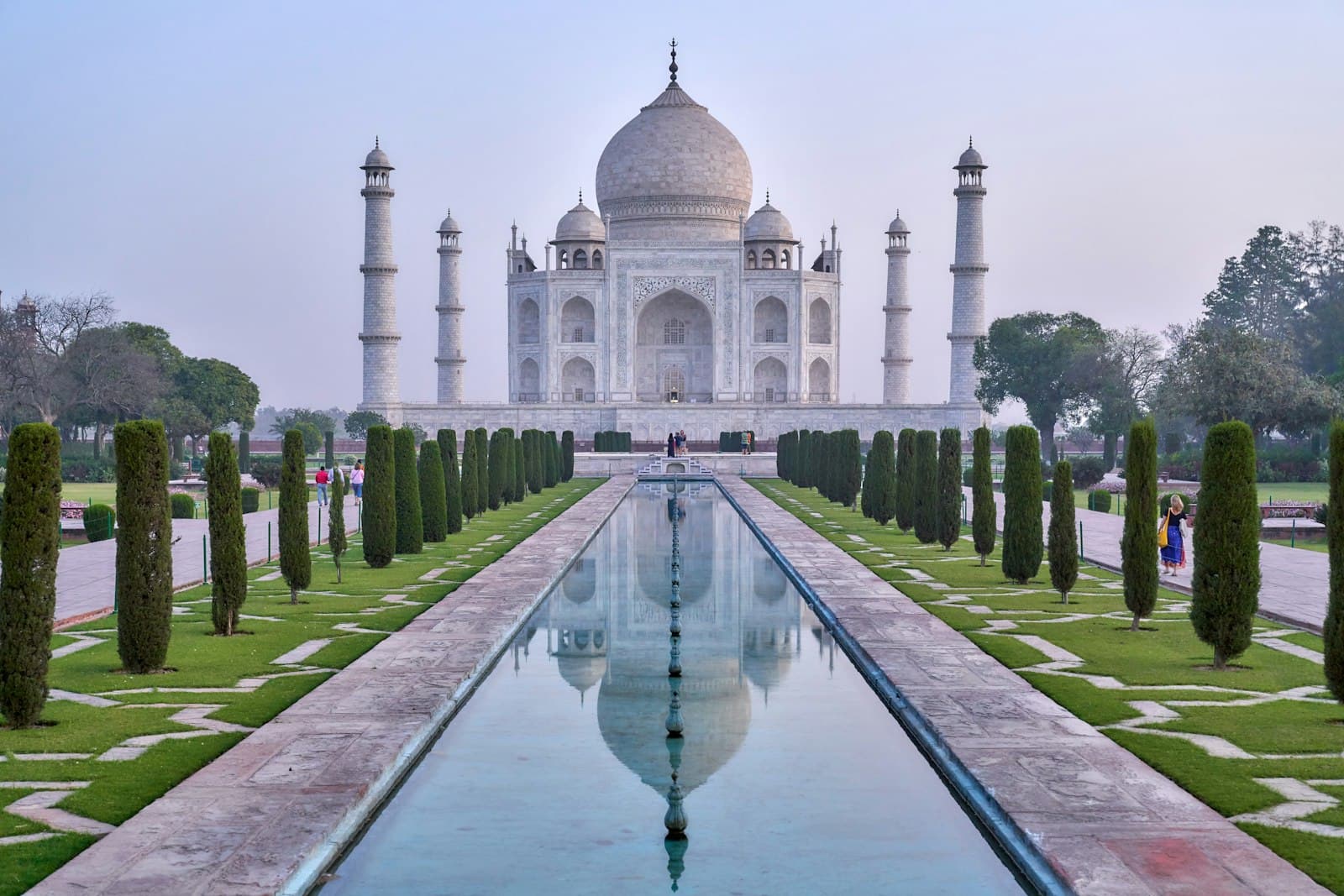
India's classic first trip — Old and New Delhi, the Taj Mahal at sunrise, Fatehpur Sikri and the forts and bazaars of Jaipur.
Rajasthan
Jaipur City Break — The Pink City in a Weekend
A short, well-paced first taste of Rajasthan — Amber Fort, the old-city bazaars, a rooftop dinner and time to actually shop. Ideal as a long weekend or bolted onto a Delhi trip.
Rajasthan
Rajasthan for Two — Udaipur & Jaipur
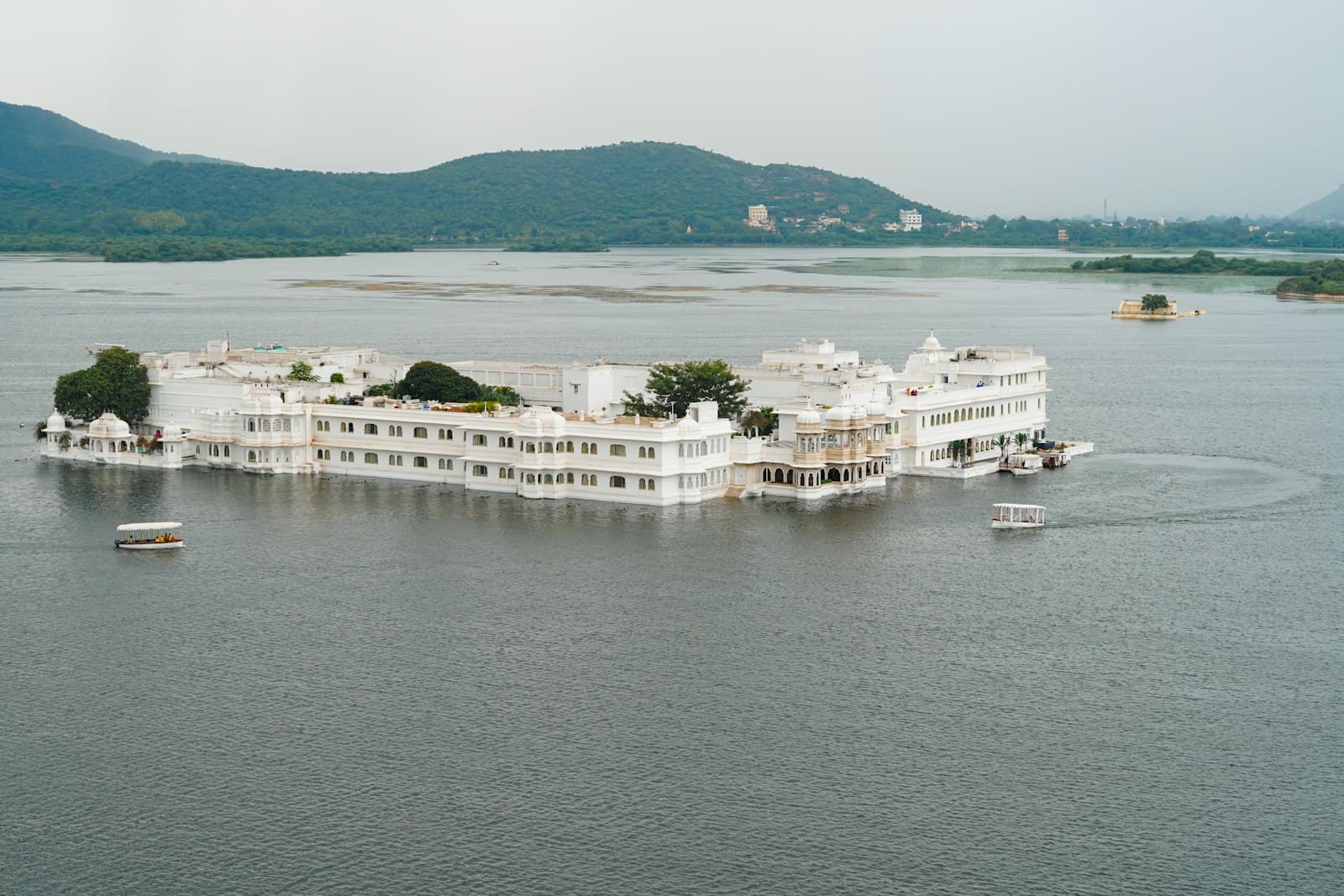
Two of India's most romantic cities — a lakeside stay in Udaipur with a private boat at sunset, then Jaipur for the forts and the bazaars, staying in heritage properties throughout.
Rajasthan
Royal Rajasthan — Forts, Palaces & Golden Sands
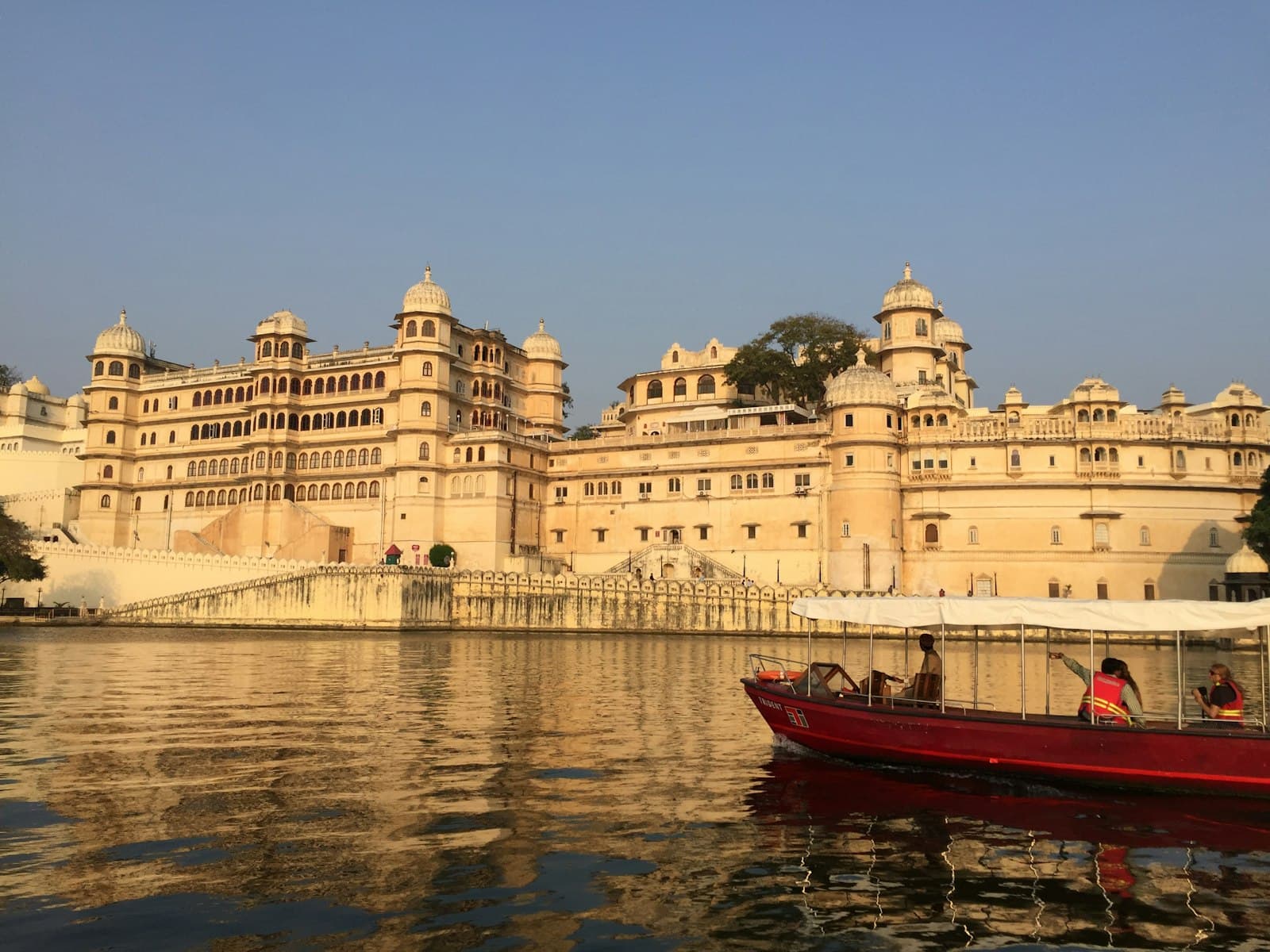
The state's greatest hits in a week — Jaipur's Amber Fort, Jodhpur beneath Mehrangarh, the golden city of Jaisalmer with a desert night, and romantic Udaipur to finish.
Rajasthan
Grand Rajasthan — The Complete Circuit
The unhurried version — Jaipur, the holy lake at Pushkar, Jodhpur, Jaisalmer and its dunes, Udaipur, and the cool hill retreat of Mount Abu, staying in palace and heritage hotels throughout.
Let's plan your Jaipur trip
Send us a rough idea — a destination, a month, a budget — and we'll come back with a plan you can actually picture yourself on.